
Can We ‘Rewire’ Our Brain? The Science of Neuroplasticity
What is Neuroplasticity?
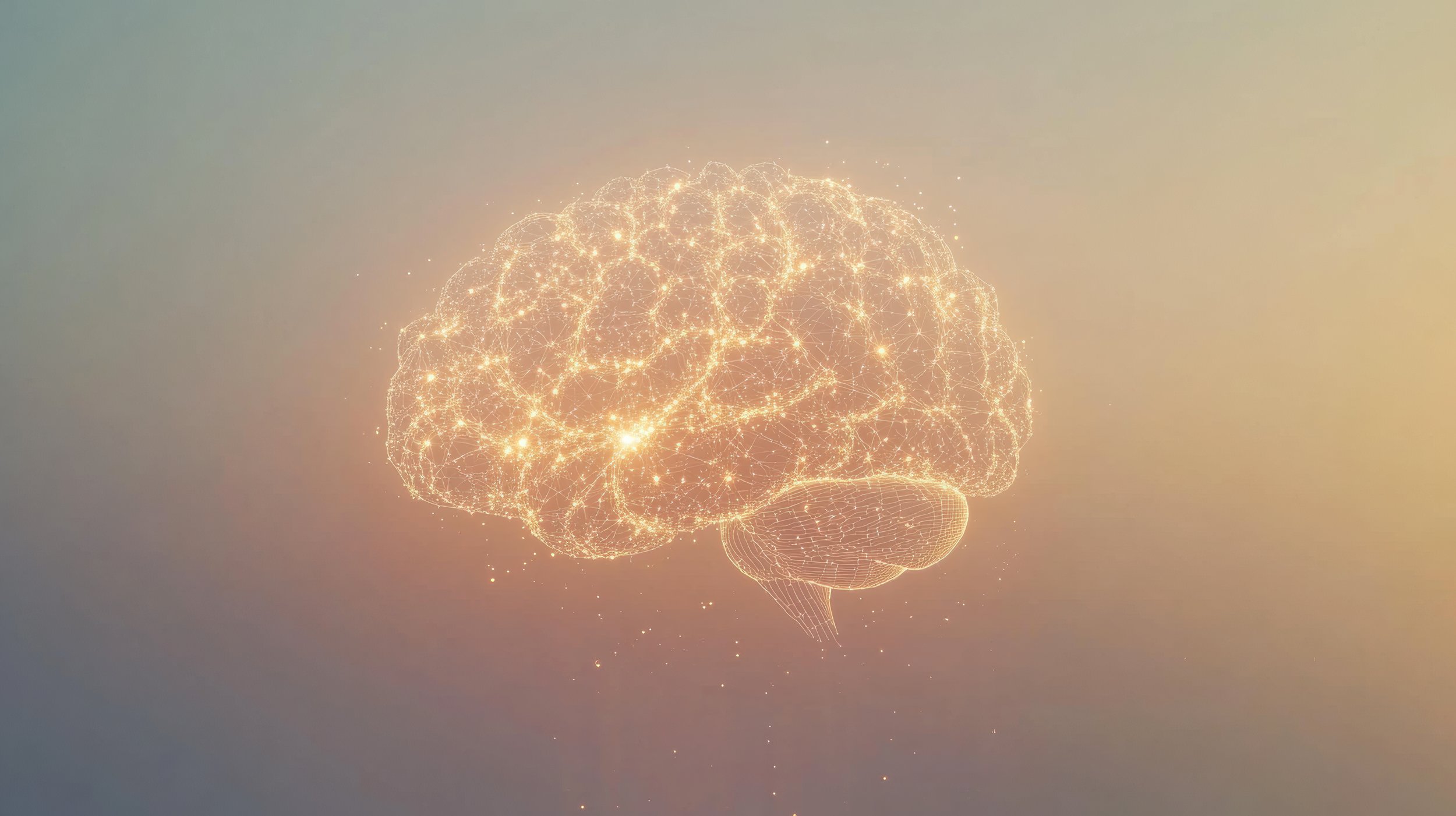
Neuroplasticity (also known as brain plasticity or neural plasticity), is often described as the brain’s remarkable ability to adapt and change in response to life’s experiences. It is, in my opinion is one of the most interesting discoveries in neuroscience and large part of my PhD research. The concept of neuroplasticity means that our brains are not ‘fixed’ or set in stone, but rather dynamic and capable of growth and transformation throughout our lives. Whether we want to improve our memory, change our limiting beliefs, develop new skills, or overcome challenges like anxiety and trauma, neuroplasticity allows us to rewire our neural pathways in ways that can enhance our well-being. Through consistent practice and repetition, these changes can become ingrained, ultimately making new behaviours automatic and effortless. Over time, what once required conscious effort can become second nature.
Self-directed neuroplasticity occurs when we intentionally and consciously engage in activities that reshape our neural pathways, enabling us to develop new habits, overcome limiting beliefs, enhance cognitive function, and promote positive behavioural changes that align with our goals and well-being. By harnessing neuroplasticity to our advantage, we can shape our minds to better serve us in both our personal and professional lives, creating lasting improvements in how we think, feel, and perform.
Mechanisms of Neuroplasticity
Neuroplasticity can include the strengthening, weakening, or formation of new connections between neurons. A helpful metaphor can be to imagine the brain as a field of tall grass. Each time you engage in a new behaviour or skill, it's like walking through the grass and creating a faint path. Repeating the behaviour is like treading the same path over and over, gradually flattening the grass and making the path more defined and easier to follow. Just like well-trodden paths in a field, the neural pathways we use most often become stronger and more efficient over time, making our actions and thoughts feel more automatic. Meanwhile, pathways that are rarely used weaken and may eventually disappear (a process known as synaptic pruning). This continuous reinforcement and elimination of neural connections help shape what becomes our default behaviours and skills.

Factors That Influence Neuroplasticity
Age
Age plays a significant role in neuroplasticity, with younger brains being more flexible and adaptable. This is why children can pick up a second language far quicker than adults. In adulthood, forming new neural connections may require more effort and consistency. However, research demonstrates that neuroplasticity remains possible throughout life - it’s simply about understanding and applying the most effective strategies.
Alert & Calm States
Self-directed neuroplasticity can occur when we are in either a highly alert and focused state or a deeply calm state. During alert states, the brain is primed for focused learning and the formation of new pathways, while calm states, such as during meditation, hypnosis or relaxation techniques, allow for consolidation and integration of new connections.
Mental Stimulation and Learning New Skills
Engaging in mentally stimulating activities and learning new skills are powerful drivers of neuroplasticity. Whether it’s picking up a musical instrument, learning a new language, or engaging in problem-solving tasks, these activities encourage the brain to form and strengthen neural connections. The key is consistency and progressively challenging the brain to adapt and grow.
Sleep
When it comes to neuroplasticity, sleep is equally as important as the effort put into learning a new skill or implementing a new habit. It is during sleep when the neural reorganization actually occurs, allowing pathways to form and strengthen. Practices such as deep rest, yoga nidra, and certain types of meditation can also support this process, providing the brain with the opportunity to consolidate learning and integrate new information.
Exercise (BDNF)
Physical activity plays a crucial role in promoting brain health and neuroplasticity. Regular exercise increases blood flow to the brain, promotes the release of neurotrophic factors such as Brain-Derived Neurotrophic Factor (BDNF), and supports the formation and strengthening of neural connections. BDNF, often referred to as a ‘growth factor’ or ‘fertiliser' for the brain, plays a key role in neurogenesis (the formation of new neurons) and enhances the brain’s capacity to reorganise and adapt to new skills, behaviours and beliefs. Research has shown that various forms of physical activity, including aerobic exercise, strength training, and mindful practices such as yoga, contribute to improved neuroplasticity and overall cognitive performance.
Lifestyle Habits
Lifestyle factors, including diet, proper hydration, exercise, and sleep, play a critical role in supporting neuroplasticity as discussed in this in-depth review published in Neural Plasticity. This research shows that a nutrient-rich diet that includes antioxidants, omega-3 fatty acids, and essential vitamins supports brain health and plasticity, suggesting that when we are learning something new or implementing a new habit - eating foods that support the brain will positively impact the neuroplasticity occurring in the brain.
The Impact of Stress
I don’t think it’s breaking news that stress negatively impacts the brain. Chronic stress can also majorly interfere with neuroplasticity by increasing cortisol levels, which weaken neural connections and make it harder for the brain to adapt and grow. However, practicing stress management techniques such as deep breathing, practicing ‘doing nothing’ (just allowing your brain to go idle after learning something) mindfulness, and relaxation exercises can counteract these effects and support a resilient, adaptable brain.
A Final Takeaway
At the heart of neuroplasticity is a simple but powerful truth: what you focus on grows. Every thought, action, and habit actively shapes your brain, gradually influencing your default behaviours and patterns. Choose wisely, and in time, you’ll begin to see real, lasting change.
